

Safety Standards & Spec Guide

Commercial Glass Solutions in Toronto

Commercial Glass Solutions in Toronto

When it comes to commercial glass solutions in Toronto, the goal is more than just enhancing visual appeal — it’s about ensuring safety, performance, and compliance. Whether you’re working on an office building, a storefront, or a condo balcony, each glass component must meet the Ontario Building Code (OBC) and Canadian Standards Association (CSA) requirements.

At Low Iron Glass, we partner with builders, architects, and contractors across Ontario to deliver custom commercial glass systems that combine structural reliability with timeless design. This guide covers essential safety standards, specifications, and the real-world advantages of choosing commercial glass railings for your next project.

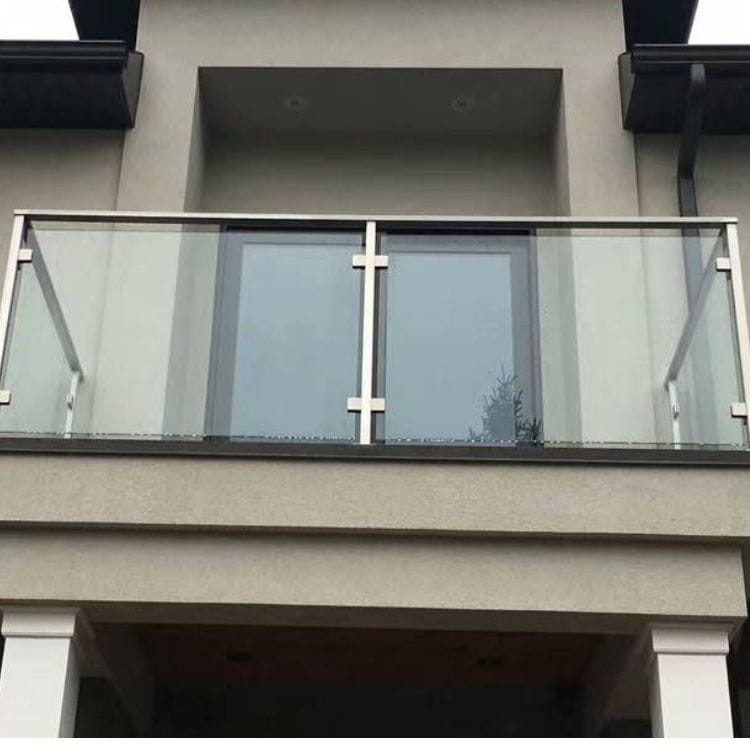
Glass railings in Toronto

Commercial Glass Solutions in Toronto: Safety Standards and Spec Guide

1. Safety Codes and Compliance

In Ontario, commercial glass installations must meet both OBC and CSA standards to ensure durability and occupant safety.

Here’s a quick breakdown of the most common glass types used:

  • Tempered glass: Ideal for doors, entrances, and storefronts — it’s tough and shatters safely.

  • Laminated glass: Common for balconies and railings — the interlayer keeps the glass intact even if cracked.

  • Fire-rated or acoustic glass: Used for soundproof or high-safety zones in commercial buildings.

Every installation by Low Iron Glass follows official safety protocols and uses certified materials approved for commercial use in Ontario.

3. Choosing the Right Glass Type and Finish
 

The choice of glass affects both the function and appearance of a commercial space. Some of the popular options include:

  • Tempered glass – strong and ideal for high-traffic interiors.

  • Laminated glass – perfect for outdoor railings or upper-level barriers.

  • Low-iron glass – offers exceptional clarity with no green tint.

  • Frosted or tinted glass – balances light and privacy for offices or retail areas.

At Low Iron Glass, we provide custom fabrication, tailored cutting, and premium hardware finishes such as brushed steel, matte black, and chrome.

5. Compliance Support and Documentation

 Commercial contractors often need proper documentation for city approvals or safety checks.

To simplify the process, Low Iron Glass provides:

  • Detailed shop drawings and engineering reports.

  • CSA and OBC certification documents.

  • Product warranties and maintenance manuals.

This saves time, ensures full transparency, and keeps your project inspection-ready.

2. Structural Strength and Load Requirements
 

Glass used in commercial projects must withstand both impact and wind pressure.

Typical requirements include:

  • Glass railings: Must resist a minimum horizontal load of 0.75 kN/m.

  • Curtain walls and facades: Designed to handle seismic movement and high wind loads.

  • Frameless glass systems: Require precise engineering to prevent structural stress or deflection.

Low Iron Glass ensures that every system is engineer-approved and meets or exceeds the required safety standards.

4. Installation Standards
 

Precision installation determines the longevity of your glass system. Our team ensures:

  • Perfect edge alignment and sealed joints.

  • Adequate clearance to prevent stress cracking.

  • Use of corrosion-resistant bolts and fittings.

  • Strict adherence to commercial safety and building standards.

Each project undergoes a post-installation inspection to confirm complete safety compliance.6. Maintenance and Replacement Parts
 
Over time, rubber seals, gaskets, and clamps can wear out, especially in outdoor environments. Some installers don’t mention these maintenance needs upfront, leaving customers unprepared for long-term upkeep.
 
  • Typical Cost: $50–$150 every few years
  • Low Iron Glass provides ongoing maintenance and affordable replacement parts to help your railings stay crystal-clear and strong for years.

Advantages of Commercial Glass Solutions in Toronto

check 100 dark

Easy to Maintain

Unlike metal or wood, glass doesn’t corrode, chip, or require repainting. Regular cleaning keeps it crystal-clear for years.

check 100 dark

Enhanced Safety

Every railing from Low Iron Glass meets Ontario’s safety regulations, ensuring maximum strength and fall protection.

check 100 dark

High Long-Term Value

Though glass railings may have a slightly higher upfront cost, they last longer, require less maintenance, and elevate property value over time.

check 100 dark

Sleek Appearance

Glass railings deliver a modern, minimalist look that enhances both exterior and interior spaces — ideal for corporate buildings, hotels, and shopping complexes.

check 100 dark

More Natural Light

The transparent design allows natural light to flow through, creating brighter and more energy-efficient spaces while maintaining safety.

check 100 dark

Built for Harsh Weather

Tempered and laminated glass can withstand heavy snow, rain, and temperature fluctuations — a must for Ontario’s changing climate.

Conclusion

For Ontario contractors and property developers, choosing the right commercial glass partner can make or break a project. At Low Iron Glass, we combine certified safety, precision engineering, and cost efficiency to deliver glass systems that meet modern architectural standards.

From storefronts and stair railings to high-rise balconies, our commercial glass solutions are trusted across Toronto and beyond.
Contact Low Iron Glass today for a consultation or a free, custom quote for your next project.

Frequently Asked Questions

You have questions – we have answers.

Tempered or laminated safety glass is most commonly used for its strength and compliance with OBC standards.

Yes. Our laminated glass systems are weather-resistant and ideal for both interior and exterior applications.

Not with Low Iron Glass — we offer factory-direct pricing, making custom systems cost-effective.


Absolutely. We manage everything from on-site measurement to professional installation and certification. 

With proper installation and maintenance, our systems can last 15–25 years or more.

Scroll to Top