
Commercial Glass Doors: Storefront, Office & Entry Door Options
Commercial glass doors do two things at once: they welcome people in and they quietly communicate trust. When the entrance looks bright, clean, and professional, customers feel more confident before they even step inside.
If your goal is a premium, modern look, low-iron glass (often called ultra-clear glass) is one of the biggest upgrades you can make. It reduces the green tint you see in standard glass, so your entry looks clearer and more “high-end,” especially in bright light and white interiors.
Below is a practical guide to the most common commercial glass door types, what to consider for safety and code, and how to choose the best system for your building.
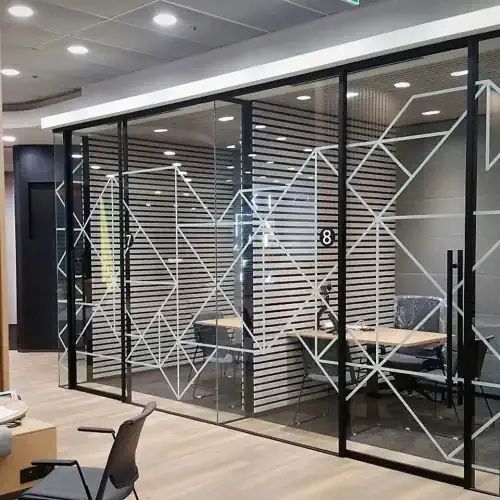

Why commercial glass doors are so popular
Commercial glass doors work across many industries because they’re functional and visually clean.
Brighter entrances with more natural light
Improved visibility for customers and staff
Modern look that fits retail, clinics, and offices
Built for traffic with commercial-grade hardware
Flexible design: framed storefront doors or frameless interior doors
Choose the right style for your space
We keep it simple. Most projects fall into these options:
1) Storefront glass doors (framed)
These are the most common commercial entry doors you see in retail plazas and street-front stores. They’re usually built as part of an aluminum storefront system designed for high-traffic use and weather exposure.
Best for:
Retail stores, restaurants, salons
Exterior entrances exposed to wind and temperature changes
Projects where durability and easy servicing matter
Common options:
Single or double doors
Narrow, medium, or wide stiles
Commercial closers, locks, and weather seals
2) Frameless commercial glass doors
Frameless glass doors are popular in office interiors and premium commercial spaces because they create a clean “all-glass” look. These doors often use patch fittings, floor closers, or specialized hinges depending on the system.
Best for:
Office entrances, boardrooms, meeting rooms
Lobbies and showrooms
Modern interior design layouts
3) Pivot glass doors
Pivot doors create a high-end architectural look and are often used in design-focused spaces. They’re especially popular when the entrance is meant to feel like a feature.
Best for:
Studio entrances, galleries, upscale retail
Commercial interiors where aesthetics are a priority
4) Sliding commercial glass doors (manual or automatic)
Sliding doors are great for high-traffic buildings and accessibility. Automatic sliding doors are common for medical buildings, grocery stores, and busy commercial entrances.
Best for:
High-traffic public entrances
Accessibility-friendly buildings
Hands-free entry requirements
Choosing the right glass: what matters most
Commercial doors typically use one or more of the following:
Tempered glass
Tempered is commonly used because it’s stronger than standard glass and is used for safety glazing in many door applications.
Laminated glass
Laminated glass is often chosen for added security and sound control. It can also help the glass remain in place after impact because of the interlayer.
Insulated glass units (IGU)
For exterior storefront doors and glazed entrances, insulated glass can improve comfort and thermal performance, especially in colder climates.
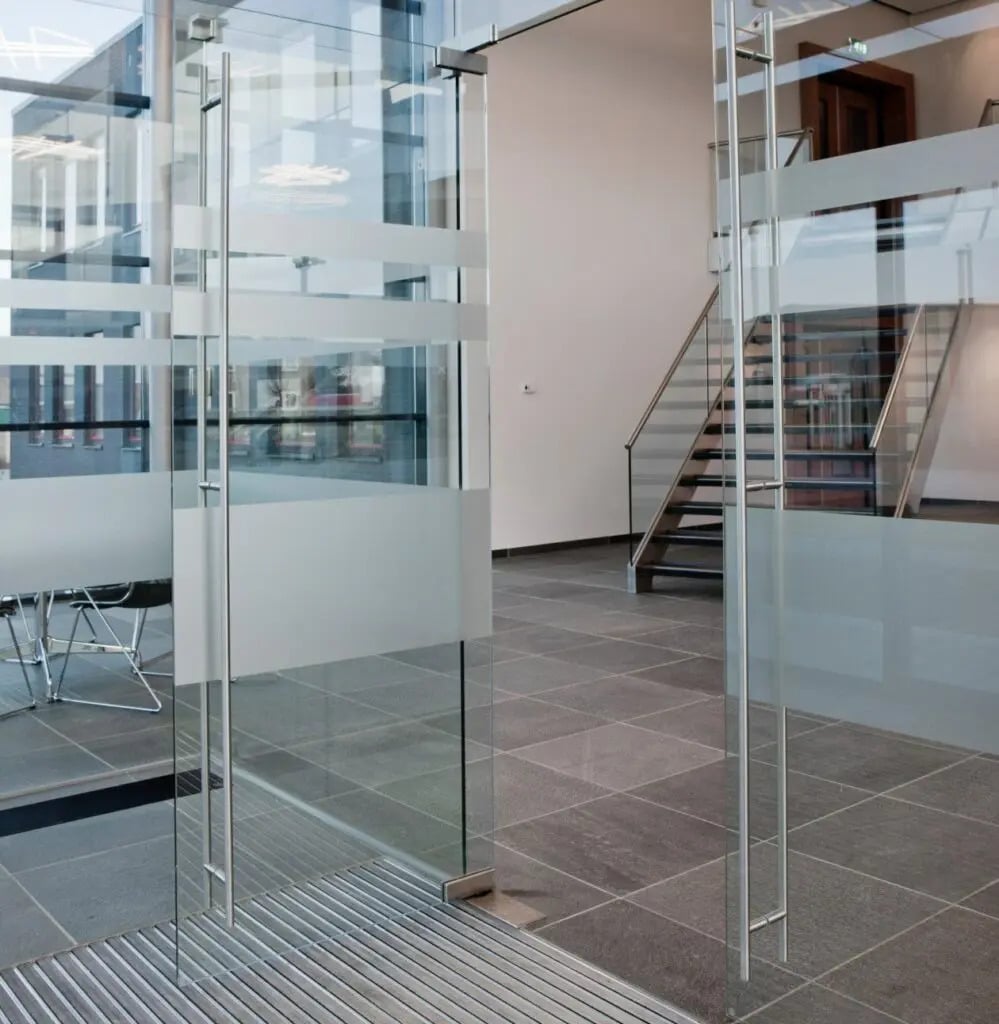

Hardware that makes (or breaks) a commercial glass door
Commercial glass doors aren’t just about the glass — hardware determines how the door feels daily.
Key hardware options to consider:
Door closers (surface or floor closers)
Pull handles or push/pull hardware
Locks (mortise locks, deadlatches, access control)
Panic bars / exit devices (for many egress doors)
Hinges / pivots / patch fittings
Weather stripping and thresholds (especially exterior doors)
If your door is used dozens or hundreds of times per day, choosing commercial-grade components is essential.
Safety, accessibility, and compliance considerations
Commercial doors often need to meet specific requirements depending on the building type and use.
Safety glazing
Doors and adjacent glazing areas may need safety-rated glass depending on location and code requirements.
Accessibility
If your building needs to meet accessibility standards, door operation matters:
Handle type and height
Opening force
Clear width
Closer speed and performance
Egress and exit requirements
Certain commercial doors (especially in public spaces) may require:
Panic hardware
Specific swing direction
Clear exit path requirements
Fire-rated openings
In some areas of a building (like corridors or stairwell separations), fire-rated doors and glazing may be required.
Because requirements vary by jurisdiction and building type, it’s best to confirm compliance during planning, not after installation.
Frequently Asked Questions
You have questions – we have answers.
Framed storefront glass doors are the most common for retail and exterior entrances because they’re durable and weather-resistant.
Tempered is common for safety glazing and daily traffic. Laminated is often chosen when security or sound control is a priority.
They’re most common inside offices and lobbies, but some systems can work in specific exterior applications depending on design and exposure.
Some do, depending on occupancy and egress requirements. It’s often required for doors serving public assembly spaces.